
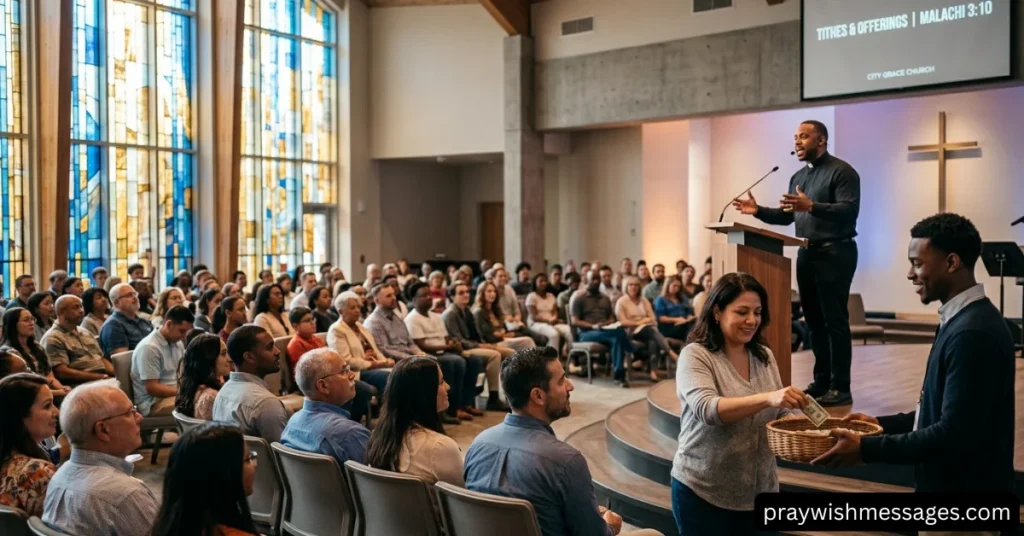
Giving tithes and offerings is one of the most discussed yet often misunderstood topics in the Christian faith. For many believers, it brings questions like: Is it still required today? Why should I give? What happens when I give?
A powerful exhortation on tithes and offerings today is not about pressure or guilt. Instead, it is about understanding God’s heart for giving, recognizing His provision in our lives, and learning how generosity transforms both the giver and the receiver.
In this article, we will explore tithes and offerings in a simple, clear, and meaningful way. The goal is not confusion, but clarity. Not a burden, but a blessing.
Understanding Tithes and Offerings
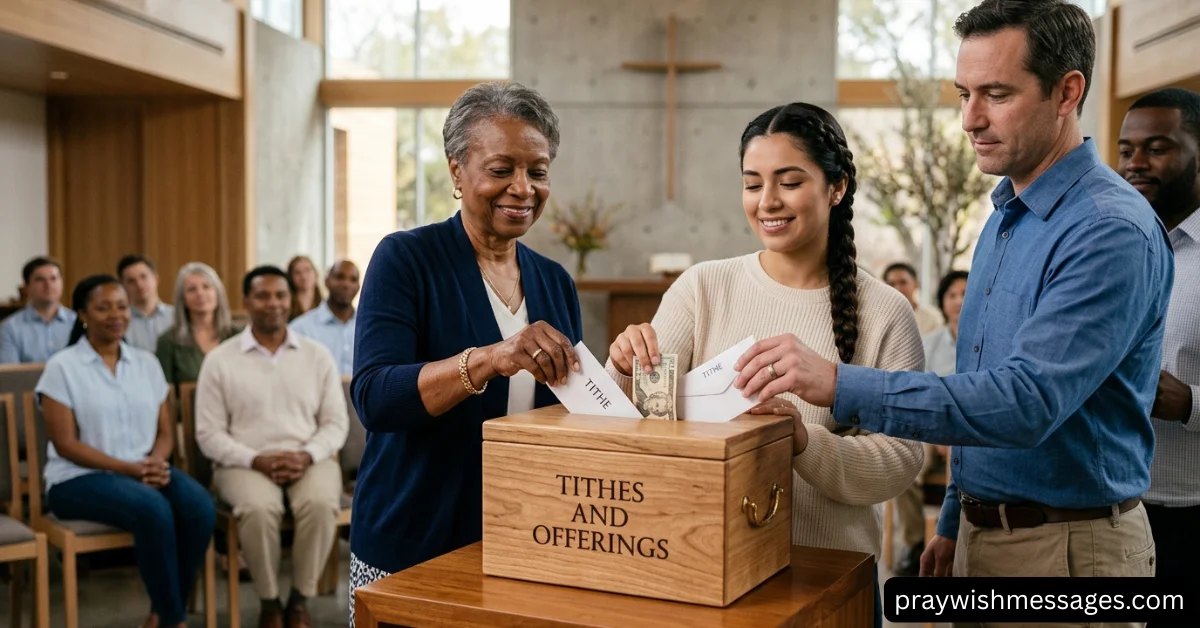
Before going deeper, it is important to understand what these terms mean.
What is a Tithe?
The word tithe simply means “tenth.” In biblical teaching, it refers to giving 10% of one’s income back to God. It is an act of obedience and acknowledgment that everything we have comes from Him.
Tithing is not just a financial action—it is a spiritual principle that shows trust in God as provider.
What are Offerings?
Offerings are different from tithes. While the tithe is a set portion, offerings are voluntary gifts given above the tithe. They come from a willing heart and express gratitude, love, and worship.
If tithes represent obedience, offerings represent generosity.
Biblical Foundation of Tithes and Offerings
The principle of giving is deeply rooted in Scripture. From the Old Testament to the New Testament, generosity is consistently emphasized.
Old Testament Foundation
In the Old Testament, tithing was introduced as a system to support priests, care for the temple, and help the poor. It was a structured way for God’s people to honor Him with their resources.
The people were taught that everything they had belonged to God, and the tithe was a reminder of that truth.
New Testament Perspective
In the New Testament, the focus shifts from law to heart. Believers are encouraged to give generously, joyfully, and willingly.
The emphasis is no longer just on percentage but on attitude. God loves a cheerful giver—someone who gives not under compulsion, but out of love.
Why Tithes and Offerings Matter Today
Many people ask, “Is giving still relevant today?” The answer is yes, but not in a legalistic way. It is relevant because it shapes the believer’s heart.
1. It Builds Trust in God
When you give, you are declaring that your security is not in money but in God. This builds strong spiritual trust.
2. It Breaks the Power of Greed
Money has a powerful influence on human behavior. Giving helps break attachment to materialism and teaches contentment.
3. It Supports God’s Work
Churches, ministries, and outreach programs depend on faithful giving to continue their work. Tithes and offerings help spread the message of hope.
4. It Creates a Heart of Gratitude
Giving reminds us that we are already blessed. It shifts focus from what we lack to what we have received.
A Powerful Exhortation on Giving
Here is the heart of this message:
You are not giving because God needs your money. You are giving because God is shaping your heart.
Every time you give your tithe, you are saying, “God, You are first in my life.”
Every time you give an offering, you are saying, “God, I trust You with more.”
Giving is not about loss—it is about alignment. It aligns your heart with God’s kingdom values.
When giving becomes a burden, something is wrong in understanding. But when giving becomes worship, something beautiful is happening inside the soul.
Common Misunderstandings About Tithes and Offerings
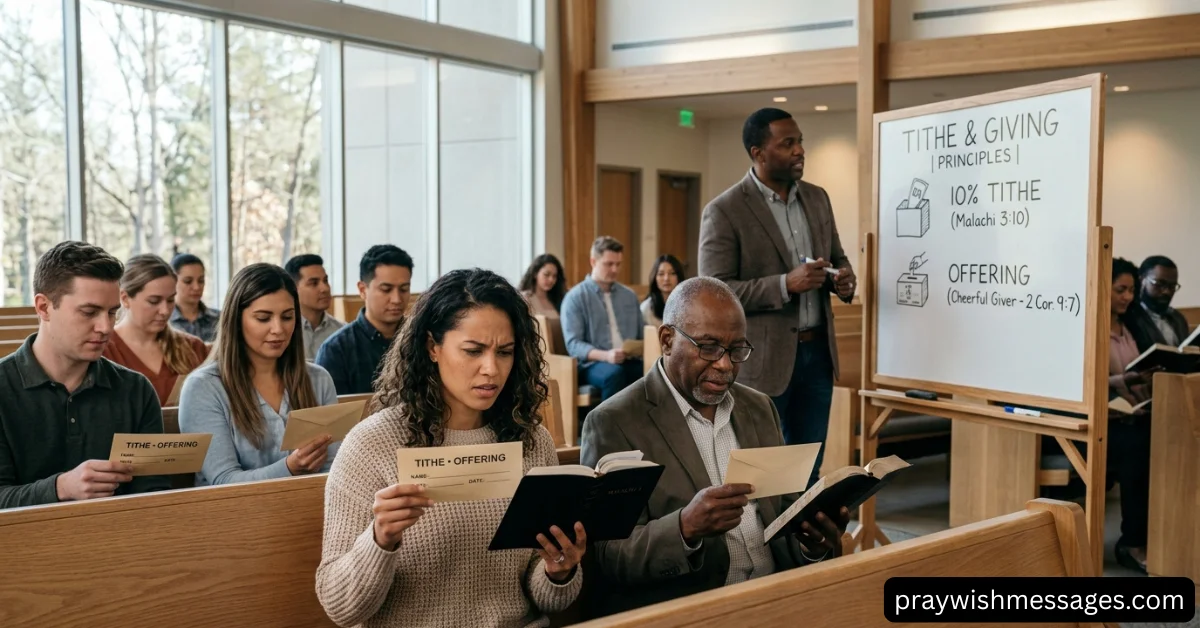
Many believers struggle with giving because of confusion. Let’s clear a few common misunderstandings.
Misunderstanding 1: Tithing is Only for the Old Testament
While the structured system of tithing was emphasized in the Old Testament, the principle of giving remains throughout Scripture. The New Testament encourages generosity at a higher level, not a lower one.
Misunderstanding 2: Giving is Only About Money
Giving is not limited to money. It includes time, service, kindness, and resources. However, financial giving is still a key part of supporting God’s work.
Misunderstanding 3: God Will Bless Only If I Give
God’s blessings are not transactional. We do not give “buy” blessings. Instead, giving positions our heart to receive God’s guidance, peace, and provision in different ways.
The Right Heart for Giving
God is more concerned about the heart behind the gift than the size of the gift itself.
A Cheerful Heart
Giving should never be forced. A cheerful heart reflects true gratitude.
A Faithful Heart
Faithful giving means consistency, not emotion-based giving. It is a habit, not a reaction.
A Trusting Heart
Trust is the foundation of generosity. When you trust God fully, giving becomes easier.
Practical Ways to Apply Tithes and Offerings Today
Understanding is important, but application is where transformation happens.
1. Start with Consistency
Make giving a regular habit. Whether weekly or monthly, consistency builds discipline.
2. Plan Your Giving
Do not give randomly. Plan your finances so that giving becomes a priority, not an afterthought.
3. Give Beyond Comfort
Offerings often require stepping beyond comfort zones. That is where faith grows.
4. Give with Purpose
Know why you are giving. Whether it is for church support, helping the poor, or mission work, purpose brings meaning.
Spiritual Benefits of Tithes and Offerings

While giving is not about rewards, it does produce spiritual fruit.
1. Peace of Mind
Generosity reduces anxiety about money and builds peace in trusting God.
2. Spiritual Growth
Giving helps believers grow in maturity and spiritual discipline.
3. Stronger Faith
Every act of giving strengthens your faith in God’s provision.
4. Joy in the Heart
True giving produces deep joy that cannot be explained by material gain.
The Danger of Neglecting Giving
Ignoring the principle of giving can slowly affect spiritual life.
It may lead to:
- Self-centered thinking
- Lack of gratitude
- Weak trust in God
- Over-dependence on money
This is why teaching and understanding tithes and offerings is so important—it keeps the heart aligned with God.
A Modern-Day Application
In today’s world, financial pressure is real. Bills, expenses, and responsibilities often make giving feel difficult. But this is where faith becomes powerful.
Modern giving is not about how much you have—it is about how much you trust God with what you have.
Even small giving, when done faithfully, carries great spiritual value.
Encouragement for Believers Today

If you are struggling with giving, remember this:
God is not trying to take from you—He is trying to build something in you.
Every act of generosity is a seed. And seeds always produce a harvest in due time.
Do not give out of fear. Give out of faith.
Do not give out of pressure. Give out of love.
Do not give to impress. Give to worship.
Conclusion
A powerful exhortation on tithes and offerings today is ultimately a call to return to the heart of worship. It is not about rules, but relationships. Not about obligation, but opportunity.
Tithes and offerings remind us that everything we have belongs to God. When we give, we are not losing—we are participating in something greater than ourselves.
Generosity opens doors of gratitude, faith, and spiritual growth. It shapes character, strengthens trust in God, and blesses others through us.
In the end, giving is not just an action—it is a reflection of the heart.
FAQS
What is a tithe?
A tithe is one-tenth of your income given to God as an act of obedience and worship.
What is the purpose of offerings?
Offerings are voluntary gifts given above the tithe to support God’s work and help others.
Do tithes still apply today?
Many Christians believe tithing is a biblical principle that still teaches faithfulness and gratitude today.
What does God promise when we give?
God promises to provide for us and bless a cheerful and faithful giver.
Is giving tithes compulsory or voluntary?
Tithing is seen as a spiritual discipline, while offerings are completely voluntary and from the heart.